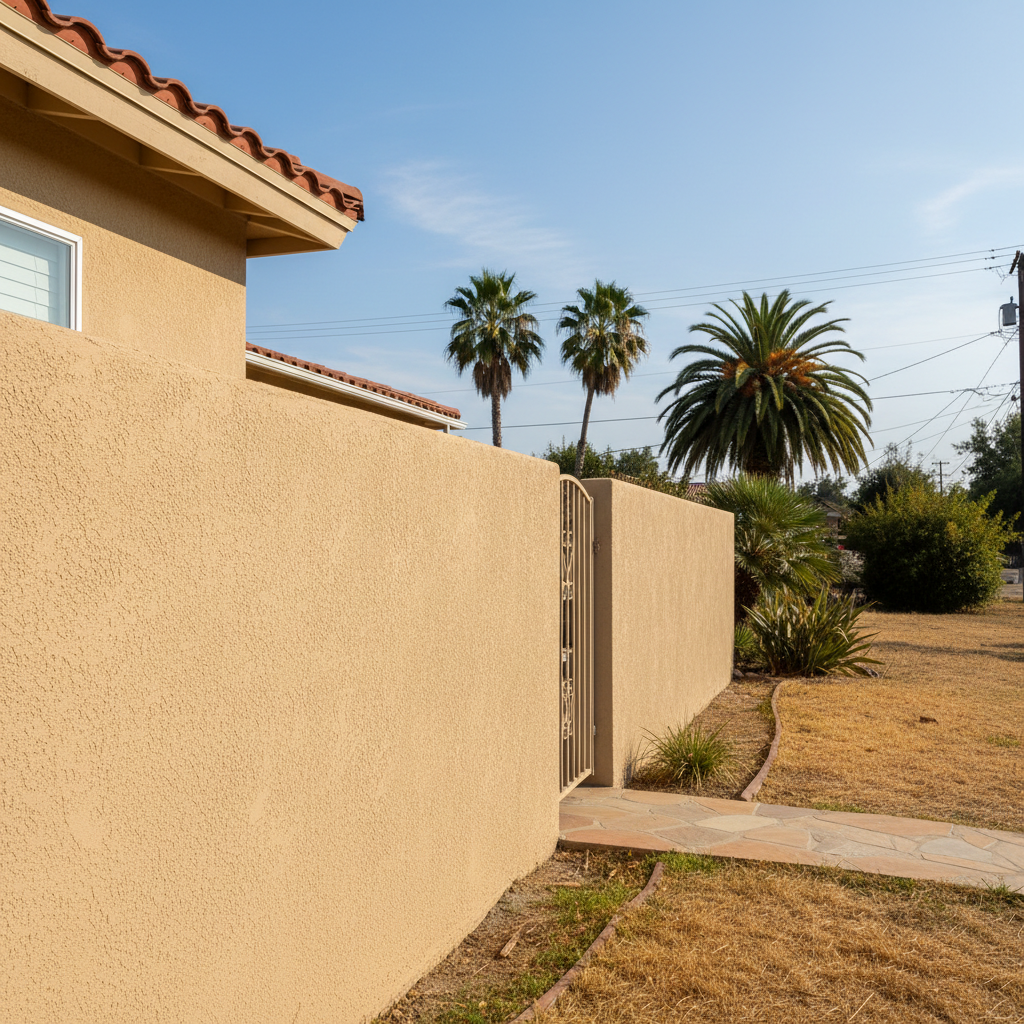
Alright, let's talk about your home's stucco here in Santa Ana. You've got a good, durable exterior on your hands, but 'durable' doesn't mean 'maintenance-free.' Not by a long shot. I've seen too many folks neglect their stucco, only to end up with big, expensive problems down the road. You don't want to be one of them, trust me. So, let's get into what you really need to do to keep that stucco looking good and protecting your home for decades.
Extending Your Stucco's Lifespan: It's Simpler Than You Think
Want your stucco to last? It starts with good installation, sure, but after that, it's all about proactive care. Think of it like changing the oil in your car. You wouldn't skip that, right? Same idea here.
- Keep it Clean: This is huge. Dirt, grime, mildew – they don't just look bad; they can hold moisture against the surface. A gentle wash with a garden hose and a soft brush, maybe some mild detergent if it's really grimy, once or twice a year is usually enough. Just don't go blasting it with a high-pressure washer. That can damage the finish and even force water into places it shouldn't be.
- Manage Your Landscaping: Those beautiful bushes and trees around your house? They're great, but if they're touching the stucco, they're a problem. They trap moisture, block airflow, and can even rub against the surface, causing wear. Keep them trimmed back at least a foot or two from the wall. This is especially important in older neighborhoods like those around Floral Park, where mature trees can really crowd a house.
- Check Your Gutters and Downspouts: This is a big one for us in Southern California, especially after those heavy winter rains we sometimes get. If your gutters are clogged or your downspouts aren't directing water away from the foundation, that water's going to run down your stucco. Constant water exposure is a stucco killer. Make sure they're clean and working right.
- Sealants and Paint: If your stucco is painted, make sure the paint job is in good shape. A good quality exterior paint acts as an extra layer of protection against moisture. If it's unpainted, a breathable sealant can help, but you've got to use the right stuff. Don't just slap anything on there.
Regular Maintenance: What to Look For
I tell my customers, you don't need to be a stucco expert, but you do need to be observant. Walk around your house a few times a year, maybe after a big rain or just when you're doing yard work. Look for these things:
- Cracks: Not all cracks are bad, but you need to know the difference. Hairline cracks are pretty common, especially with our temperature swings. They're usually just surface-level and not a huge concern right away, but you still want to keep an eye on them. Bigger cracks, especially those that are wider than a credit card or run in a stair-step pattern, are a red flag.
- Discoloration or Stains: Dark streaks, green patches, or white powdery residue (efflorescence) all point to moisture issues. Green or black usually means mildew or algae. White powder means water is getting into the stucco and dissolving salts, which then leach out.
- Bulges or Soft Spots: Press lightly on the stucco in different areas. If it feels soft, spongy, or you see any bulges, that's a serious sign of water intrusion and probably dry rot or other damage underneath.
- Separation Around Openings: Check where the stucco meets windows, doors, and utility penetrations. If you see gaps or cracking around these areas, water can easily get behind the stucco.
Our dry Santa Ana climate usually helps keep mildew at bay compared to wetter regions, but if you've got a north-facing wall that stays shaded, or an area constantly hit by sprinkler overspray, you'll see it pop up.
When to Call a Professional (Like Santa Ana Stucco & Plastering)
Look, I'm not going to tell you to call me for every little thing. Some minor cracks you can patch yourself if you're handy and know what you're doing. But there are definitely times when you need a pro, and trying to DIY it will just make things worse or more expensive in the long run.
- Large or Deep Cracks: If a crack is wide, deep, or you can see the lath (the mesh underneath) through it, you need someone to assess it properly. This isn't just cosmetic; it's a structural integrity issue.
- Water Stains or Bulges: These are almost always signs of significant water intrusion. You need to find the source of the leak and repair the underlying damage before patching the stucco. Just patching over it is like putting a band-aid on a broken leg.
- Stucco Falling Off: If pieces of stucco are crumbling or detaching from the wall, that's a clear sign of serious failure. Don't wait on this.
- Repeated Mildew or Algae Growth: If you're constantly scrubbing off mildew, especially in areas that aren't obviously wet, it could indicate a deeper moisture problem or inadequate drainage that needs a professional eye.
- Before Painting: If you're planning to paint your stucco, it's a great time to have a professional inspect it first. We can identify and repair any issues before they get sealed under a fresh coat of paint, which can trap moisture and accelerate damage.
Don't ignore these warning signs. A small problem caught early is usually an easy fix. Let it go, and you're looking at a much bigger project and a much bigger bill. Your home's exterior is its first line of defense; make sure it's up to the job.